
Our various wood line
goes with
our finest product line
POPLAR
As hardwood species in the Asian regions are becoming more and more exhausted and rare, the
supply of wood from the West is gradually gaining attention. Familiar wood line names such as Oak, Ash,
Linden, Walnut, and Poplar are continuously well-known to Asian manufacturers and consumers. Among all of
them, Poplar is a new name that not all companies or consumers know. Do you know about this wood line? Let's
find out more information in this article.

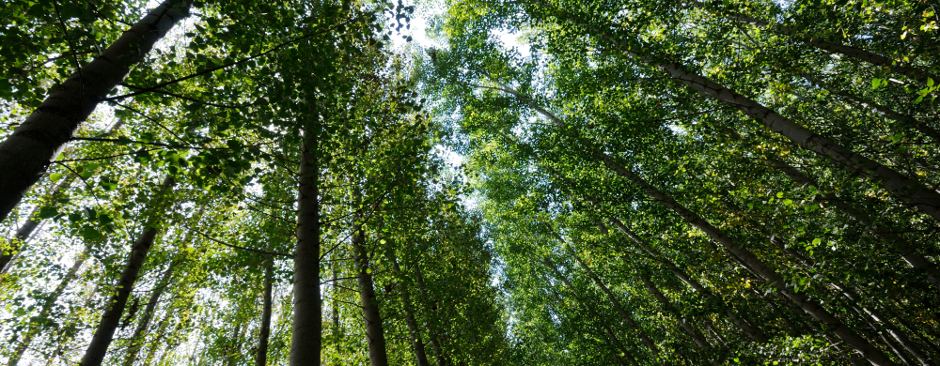
Poplar forest in Granada city, Spain
BRIEF
Poplar tree (scientific name: Liriodendron tulipifera) belongs to the
Betulaceae family, chestnut - oak group (Fagaceae), grown mainly in the northern temperate climate areas.
The characteristic feature of the poplar bark is the bean-shaped black marks that are elongated horizontally
and can often split into paper-thin sheets. The Poplar is especially considered the national tree of
Russia; it is worshiped as a goddess during the Blue Week in early June. People also call Russia the land
of Poplar for that reason. Moreover, Poplar is also the national tree of Finland.

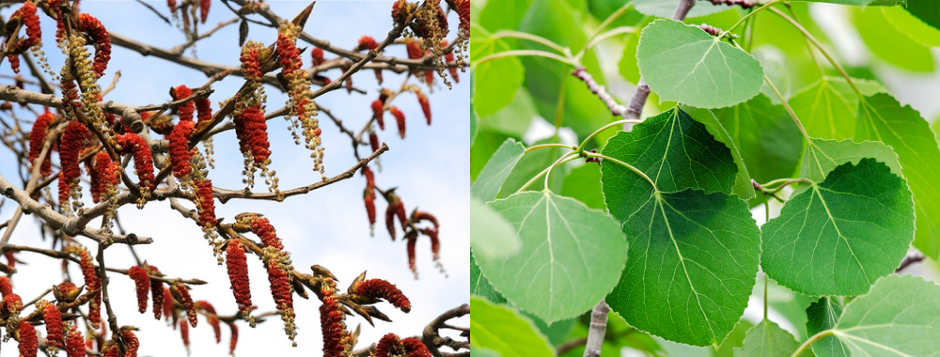
Fruits and leaves of Poplar tree
Poplar trees usually blossom in the spring. The flowers grow on a straight
branch like young corn. The leaves are green, rugged, and. Poplar fruits usually ripen in October yearly,
which is quite hard, small and flat, with wings on both sides.
Poplar is not a water-loving tree, so it is often planted on gently sloping
mountainsides or well-drained soils. This plant is very fond of sunlight but has excellent tolerance to cold
and drought, which creates an immune system to prevent an attack by insects. When a Poplar tree reaches a
height of about 49m and a diameter of 2.4m, it will be harvested and used to serve people's daily lives,
such as making decorations.
Poplar is widespread and is the cheapest and softest wood line among all
hardwood. However, most general consumers have probably never heard of Poplar because it is not a widely
advertised material. What makes it well-known is its versatility. Besides, this kind of wood has white
sapwood and may have brown stripes. The heartwood ranges from light gray to light brown. Its grain is very
straight and smooth. Poplar can be colored to look similar to other more expensive woods on the market, such
as Mahogany and Cherry, at a cheaper cost.
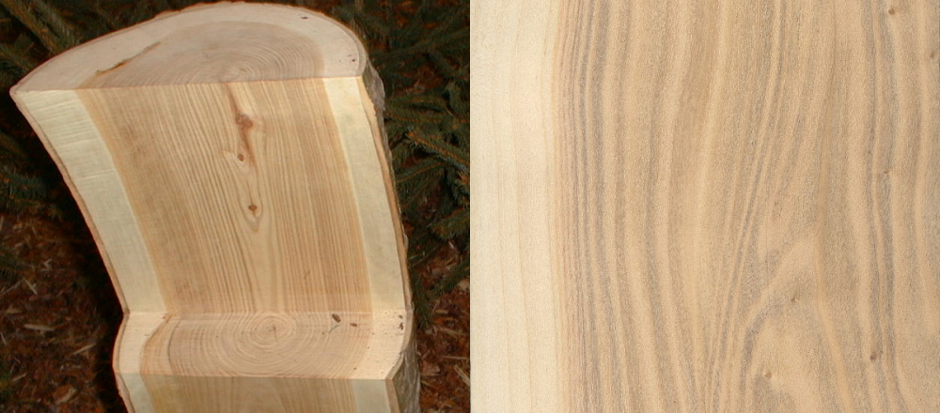
Inner-section and grains of Poplar log
A common problem with Poplar is that it is often discolored by sawmill
blades, leaving irregular patches on the wood surface. Therefore, many factories choose to dye Poplar with
color to cover irregular color patches as well as to enhance product value. The staining stage is the
biggest challenge to turning Poplar into a replica of other harder woods. This wood tends to absorb unevenly
and create spots. To overcome this problem, we need to start sanding the Poplar surface with 80 grit to 220
grit sandpaper. Then use 300-grit to remove marks left by the sandpaper. Once the surface is dust-free,
apply a mixture of 1/3 polyurethane (PU glue) and 2/3 mineral spirits (White petrol) for 15 minutes before
wiping off and reapplying. After two steps above, poplar wood would be easier to stick to the color.
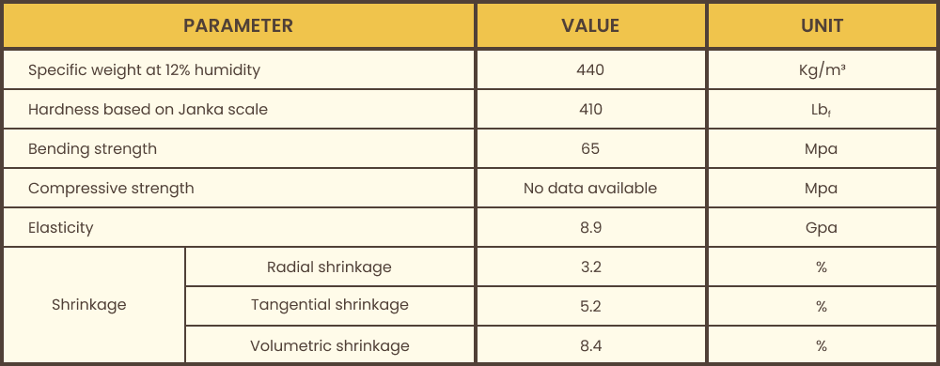
Parameter of Poplar wood
PROS AND CONS
PROS
Good machine resistance.
Good adhesive.
No cracking when nailing and screwing.
Easy to dry wood without deformation.
Light weight with medium weight in humidity at 12%.
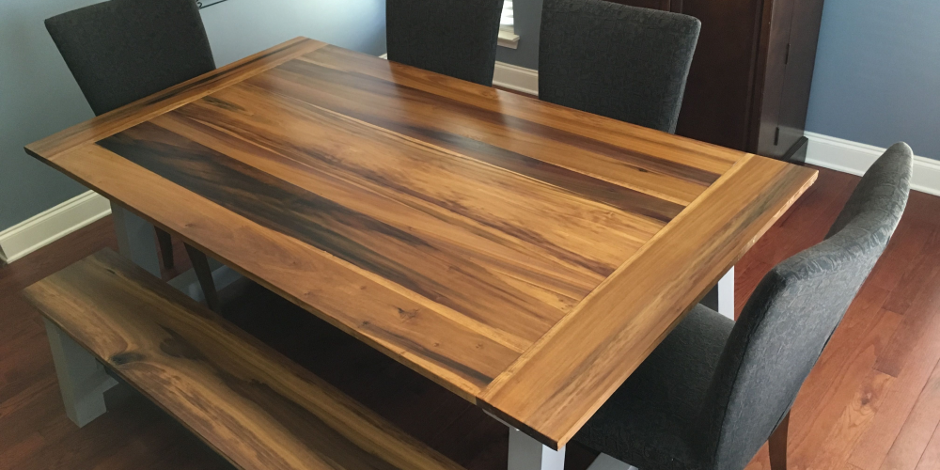
Furniture made from Poplar wood
CONS
Low hardness, only 870 Janka points (compare to 1320-Ash, 1360-White Oak)
Low strength, torsion, and impact resistance.
Difficult to stick color
Don't have resistance to termites, challenging to absorb drugs.
SUMMARY
In conclusion, through the above article, I hope you have gained more
knowledge about poplar wood and have a wise choice in choosing the type of wood for business and production
soon.